
TRY ASHWAGANDHA FOR STRESS, HORMONE HEALTH, AND AEROBIC PERFORMANCE
Even though all supplements in themselves have very limited effects in the body, they are a blast to research and study. Also, if you can locate a few that work in harmony, then "supplement stacking" can create an effective synergy for you that is better than any single one alone and definitely may be worthwhile.
We live in a very stressful world and "Fight or Flight" is all too common. Not to mention chronic stress's link to various types of potential disease. So, if something comes along that scientists point out can have an impactful and positive effect on your stress levels, then by all means I'm going to share it with you.
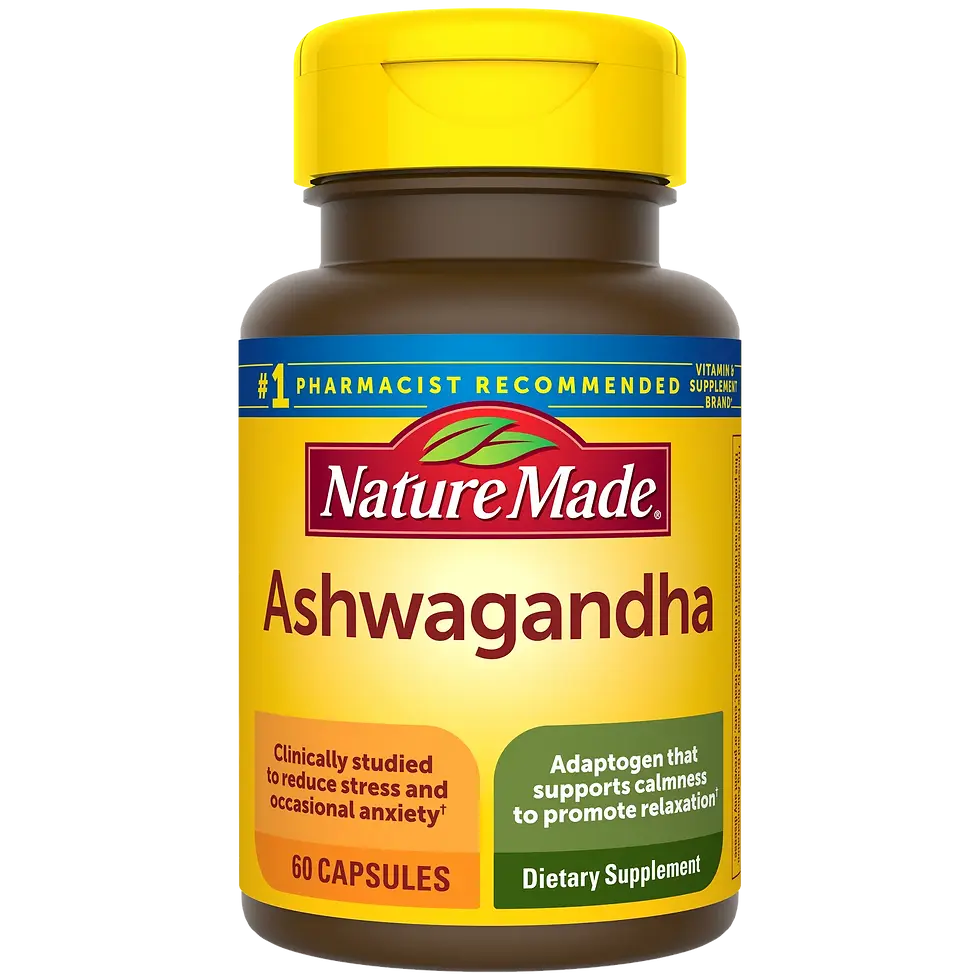
So what is Ashwagandha? It's an India-based herb, also known as Indian Ginseng, that is part of Ayurveda, which is part of traditional Indian medicine. It's typically used as a supplement, and it's an extract from its roots. Just like with Testosterone and Whey supplementation, effects may be restricted to a certain timeline and require a break from use, although further investigation is warranted.
How should you dose the supplement?
Studies on ashwagandha have used daily dosages ranging from 10 mg to 12,000 mg of a root extract. The most common dosing protocol is 150 mg to 600 mg daily, and this amount may be divided into 1 to 3 doses.[5][8][9][10][10][11][12][13][14][15] More research is needed to confirm whether dosages greater than 600 mg daily yield greater benefits. 1 As a caveat, some issues arose in the kidneys and liver according to case reports with Ashwagandha. Mind you, these individuals were taking extremely high doses above what was recommended from the start. Not smart. And to hopefully put your mind at ease if you happen to be currently supplementing with Ashwagandha, only mild side effects such as nausea and diarrhea have been reported in the several trials that have been conducted on the supplement thus far, so not to worry.
Stress Relief and Aerobic Exercise Performance
"Ashwagandha’s reputation as a panacea may have originated from its purported influence on the stress response and related conditions.[27] Ashwagandha is best known for its anxiety-relieving and stress-relieving effects, including reductions in cortisol.[10][12][13][14][19][28][29][30][30][31][31][32][32][33][34] In addition, a growing body of evidence supports the efficacy of ashwagandha for improving total sleep time and sleep quality in people with and without insomnia.[5][10][14] Ashwagandha has shown promise in research as a cardiorespiratory and musculoskeletal performance enhancement for both athletes and nonathletes.[6][8][26][35][36][37][38][39] Similarly, ashwagandha may also improve immune health, women’s health, men’s health, and sexual health. Unfortunately, because of inconsistencies in the research, it has been difficult to draw any direct conclusions.[4][7][11][13][40][41][42][43][44][45]"

Image courtesy of Examine.com
When it comes to exercise, Ashwagandha scores poorly as of right now in the realm of power, strength, and muscular development. However, there is some promise when it comes to features of aerobic performance, and VO2 max in particular. "In a more recent 8-week randomized controlled trial published in 2021, supplementing with 600 mg of ashwagandha daily was found to increase VO2max from approximately 40 to 47 mL/kg/min, which was statistically significant compared to placebo.[2]
Something worth mentioning in the referenced study above is that participants were monitored, lending to the study's credibility. In a recent 2024 Systematic Review, all trials besides the one above weren't monitored for some inexcusable reason, but at least you have some solid evidence to go off of at this point.
The ways or mechanisms by which Ashwagandha is supposed to work is through either better sleep quality, increased tolerance to stress demands from exercise, and/or increased hemoglobin levels in the blood, which has been linked to improving VO2 max performance.
Boosts in Testosterone
And if you aren't sold on TRT if you are older, or your levels are low, then it might be worth your time to experiment with Ashwagandha. "Ashwagandha’s effects on hormones are not limited to cortisol. Preliminary evidence suggests that ashwagandha may increase testosterone levels in men when it is taken for 3 to 6 months. Improvements have also been reported in levels of luteinizing hormone and follicle-stimulating hormone, sperm quality parameters, quality of life, and sexual functioning.[3][4][5][6][7][8][9] Effects on testosterone are more pronounced in men with infertility and low testosterone levels, though ashwagandha may also boost testosterone levels in men without infertility or low testosterone.[2][5][6][10][11][12]
SCIENTIFIC REFERENCES:


Comments